
Asphalt is one of the most widely used construction materials globally, and like most resource-heavy materials, it faces increasing pressure to become more sustainable. Reclaimed Asphalt Pavement (RAP) offers a circular, cost-effective way to reduce the use of virgin bitumen and aggregates, while supporting the environmental goals of infrastructure projects.
As the use of RAP increases, many road operators are turning their attention to the practicalities of how to store, heat, and deliver recycled asphalt blends effectively. TEC does not produce or process RAP, but we support its adoption with the modular tank infrastructure needed to handle reclaimed binder and RAP-based mixes reliably.
For an overview of how bitumen is stored and handled in modular systems, read our guide to modular vs fixed bitumen storage.
What is reclaimed asphalt pavement (RAP) and how is it created?
Reclaimed Asphalt Pavement, or RAP, refers to the material generated when existing asphalt layers are removed during road maintenance, resurfacing, or reconstruction. Rather than sending this material to landfill, contractors recover, process, and reuse it in the production of new asphalt.
Milling or full-depth removal
RAP begins at the project site, where specialist milling machines grind off the top layer of asphalt, or excavators remove full-depth sections of road. This material includes both the aggregate and the aged bitumen binder.Transport to a processing site
The reclaimed material is loaded into tipper trucks or trailers and taken to an asphalt plant or recycling facility, where it will be stockpiled or processed.Screening and crushing
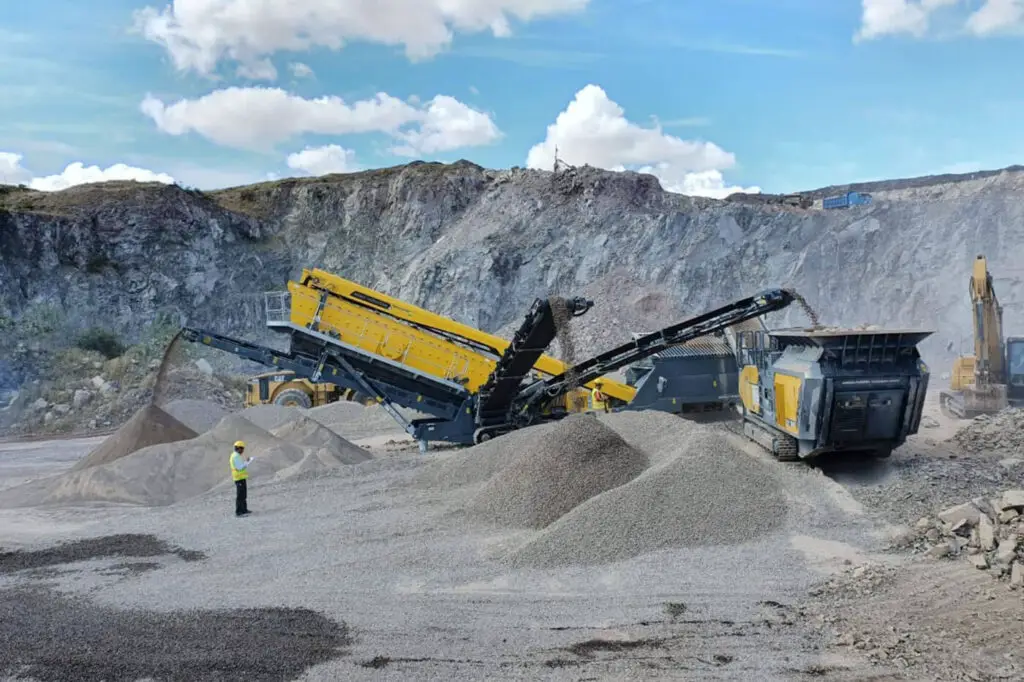
At the plant, RAP is screened to remove oversized debris and ensure uniformity. Some operations also crush the material to achieve the desired particle size for reuse.Storage and blending
Once processed, RAP can be stored in stockpiles or bins, and later blended into new hot, warm, or cold mix designs depending on project specifications.
RAP can be introduced into asphalt production in several ways. In most hot-mix plants, a proportion of RAP is added to virgin aggregate and binder during the mixing process. The exact percentage varies by country and project, with some plants routinely incorporating 30 to 50 percent RAP content. In specialised applications, that number can be even higher.
In addition to the reclaimed aggregate, the bitumen binder within RAP can still retain value. Some advanced operations recover and rejuvenate the binder itself for direct reuse. This approach requires greater control over heating, storage, and material separation.
For a closer look at how binder quality affects logistics, explore our article on how bitumen is heated and stored.
Why Recycled Asphalt Is Used in Modern Infrastructure
The benefits of RAP extend beyond cost savings. It plays an important role in supporting sustainability objectives, reducing raw material consumption, and minimising environmental impact.
Key benefits of RAP include:
Lower use of virgin bitumen and aggregate
Reduced transport costs when using local stockpiles
Smaller carbon footprint per tonne of asphalt produced
Fewer emissions compared to full hot-mix production
Landfill diversion by recycling road waste
In many countries, government agencies now include minimum RAP content in their asphalt mix specifications. In the UK, recycled asphalt has been used successfully in large-scale motorway resurfacing projects. Across Oceania, pilot programmes are trialling higher RAP percentages for local road networks, often with strong results in both performance and cost-efficiency.
Where RAP Is Used
RAP is highly versatile and can be used across a variety of asphalt applications depending on the specification and processing capabilities. In hot-mix production, it is blended with virgin aggregate and fresh or rejuvenated binder to create a material that performs on par with traditional mixes. Cold-mix and warm-mix applications also make use of RAP, especially for lower-traffic surfaces or maintenance works.
Recycled asphalt is often used in base or sub-base layers where structural integrity is more important than surface appearance. In these contexts, RAP helps build durable foundations while reducing costs. More advanced operations are also recovering the bitumen binder from RAP and reintroducing it into mix designs. These approaches place additional demands on the way the binder is stored and handled, particularly when consistency and temperature control are critical to mix performance.
Handling and Storage: A Common Weak Point in RAP Operations
Despite the growing use of RAP in asphalt plants and road projects, material handling and storage remain weak points in many recycling workflows. While most contractors have upgraded their milling and blending capabilities, some still rely on uninsulated tanks, open-air stockpiles, or outdated heating systems to manage reclaimed binder or recycled mix stock.
Exposure to weather conditions can degrade RAP quality over time, particularly affecting the residual binder. Without appropriate insulation or thermal control, binder can become too viscous or separated to perform effectively in new mixes. Delays in discharge and inconsistent mix quality are common consequences when handling systems are not optimised.
This gap in infrastructure becomes more noticeable as RAP percentages increase and more complex mix designs are introduced. Without modern storage and heating, the advantages of RAP can be undermined by inefficient logistics and wasted material.
How TEC Supports RAP Through Modular Bitumen Storage
TEC does not supply RAP material but plays a key role in enabling its use through containerised storage and heating systems. Our modular Bitutainer™ Storage Facility is engineered to support both recycled and virgin binder handling in environments where mobility, control, and deployment speed matter.
With full insulation and integrated heating options, these tanks allow producers to store recycled binder at consistent temperatures without the need for permanent infrastructure. In resurfacing operations, they can be used to stage buffer supply close to the point of application, reducing reheating delays and protecting product quality.
The same system can also be used to separate different binder types or mix grades, giving asphalt producers better control over material integrity. This level of flexibility is especially useful for seasonal projects, phased resurfacing works, or decentralised asphalt production setups.
For more detail on thermal control and product performance, see our article on how bitumen is heated.
Future Use Case: RAP Logistics with Modular Tank Systems
Although Bitutainers™ have not yet been deployed in a RAP-specific role, their design is ideally suited for this purpose. A contractor operating across multiple sites could use TEC tanks to create a temporary logistics network for RAP binder or blended mixes. Preheated material could be delivered, held at temperature, and transferred as needed between jobsites, all without fixed civil works or permanent heating systems.
As infrastructure programmes continue to prioritise circular material use, the need for modular handling systems will increase. TEC’s tank systems offer an immediate and scalable way to support this shift, backed by global logistics experience and proven technical reliability.
Reclaimed Asphalt Pavement is no longer a secondary material. It is a core ingredient in modern road construction and resurfacing, offering environmental, financial, and performance advantages when used correctly. However, to fully realise these benefits, the supporting infrastructure must be equally advanced.
TEC’s Bitutainer™ solutions provide the link between sustainable material use and practical logistics. With integrated heating, mobile deployment, and flexible capacity, our tanks are designed to help asphalt producers and contractors manage recycled binder and mixes with confidence.
Explore modular tank systems for recycled asphalt and binder handling