
Escalating conflict in the Middle East and disruption to shipping through the Strait of Hormuz is once again placing pressure on global energy and infrastructure supply chains. For industries that rely on the movement of heavy bulk commodities, even short interruptions to major trade routes can have significant consequences.
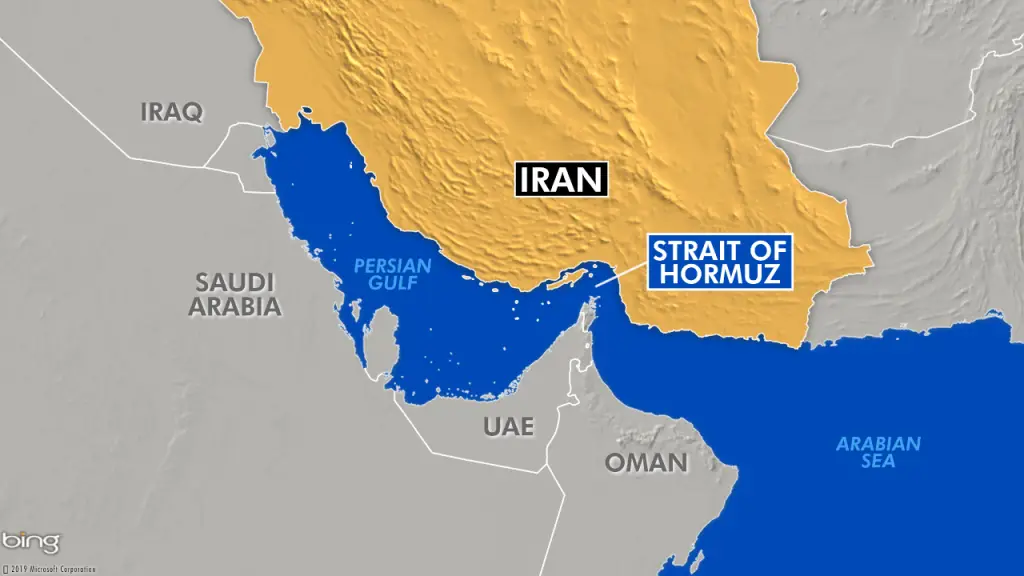
The Strait of Hormuz is one of the most strategically important shipping corridors in the world. According to the U.S. Energy Information Administration, roughly 20% of global petroleum liquids consumption moves through this narrow waterway each day, making it one of the most critical maritime chokepoints in international energy trade.
When traffic through the Strait is restricted, delayed, or perceived as high risk, the effects ripple far beyond the Gulf region. Shipping insurance costs increase, vessel routes change, and delivery schedules across global markets begin to shift.
For the bitumen industry, these disruptions can have an even greater impact.
Unlike many other liquid commodities, bitumen requires specialised handling, transport systems, and temperature control. When established supply routes tighten, the ability to adapt logistics quickly becomes a decisive factor in maintaining supply.
Why the Strait of Hormuz Matters to Global Energy Trade
The Strait of Hormuz connects the Persian Gulf to the Gulf of Oman and serves as the primary export route for petroleum products from several of the world’s largest energy producers, including Saudi Arabia, Iraq, Kuwait, Qatar and the United Arab Emirates.
According to the International Energy Agency and the U.S. Energy Information Administration, between 17 and 20 million barrels of petroleum liquids pass through the Strait every day. This volume represents close to one fifth of global oil consumption.
Because alternative routes for transporting such large volumes are limited, any disruption to the Strait can quickly create bottlenecks across international shipping networks. Tankers may be rerouted, insurance premiums increase, and freight capacity becomes more constrained. These pressures often extend beyond crude oil markets and begin to influence the wider petroleum supply chain, including refined products such as bitumen.
For countries and contractors that rely on imported bitumen for infrastructure development, these disruptions can translate into delayed deliveries, higher transport costs, and reduced supply certainty.
Why Bitumen Supply Chains Are Particularly Vulnerable
Bitumen logistics differs significantly from other liquid petroleum products. While crude oil and refined fuels move through large pipeline systems and high-volume tanker fleets, bitumen often requires specialised transport containers or drum-based distribution systems.
These systems must manage several technical constraints:
- High viscosity that limits conventional pumping and handling
- Temperature management during storage and discharge
- Dedicated containers or tankers designed for heated liquids
- Storage infrastructure that supports safe unloading and transfer
In many markets, drum-based distribution still plays a major role in bitumen supply chains. While drums can provide flexibility in some situations, they also introduce additional handling, packaging, and storage requirements. During periods of shipping disruption, these extra stages can become bottlenecks that slow down delivery and increase operational complexity.
Understanding how bitumen moves across international markets is therefore critical when evaluating supply resilience. Companies reviewing their logistics approach often begin by assessing how bitumen is transported globally and the limitations associated with traditional systems.
Adapting Logistics Strategies During Shipping Disruptions
When global shipping routes tighten, the companies that maintain supply are often those that can adapt their logistics strategy quickly. In practice, this usually involves reassessing both transport methods and storage infrastructure.
Rather than relying on a single transport format or supply route, many suppliers begin to diversify the way bitumen is moved and stored. Greater emphasis is placed on transport systems that can operate across multiple modes and locations, allowing cargo to move through alternative ports or distribution hubs if necessary.
At the same time, operators often look to position product closer to demand centres. This reduces reliance on long and vulnerable supply chains and provides a buffer against delays in international shipping.
In this environment, containerised logistics systems are increasingly being adopted as a way to maintain flexibility across global markets.
The Role of Containerised Bitumen Logistics
Containerised bitumen transport allows product to be filled directly at the refinery and moved through standard container shipping networks before being discharged at destination. Because the container itself functions as both a transport and storage unit, it eliminates several handling stages that exist in traditional drum-based supply chains.
TEC’s Bitutainer™ range was developed specifically to support this model. Designed for the safe handling of viscous and temperature-sensitive liquids, Bitutainers™ allow bitumen to move efficiently across sea, road and rail networks while maintaining the conditions required for safe discharge.
This approach provides several practical advantages when supply chains come under pressure:
- Bitumen can be filled at the refinery and transported directly to project locations
- Containers can move across multiple transport modes without repackaging
- Units can remain on site as temporary storage after arrival
- Handling requirements are reduced compared with drum supply chains
Because the containers remain part of the logistics system from origin to destination, operators retain greater control over transport scheduling and product availability.
Explore the full range of TEC bitumen transport solutions.
Scaling Import and Distribution During Supply Disruptions
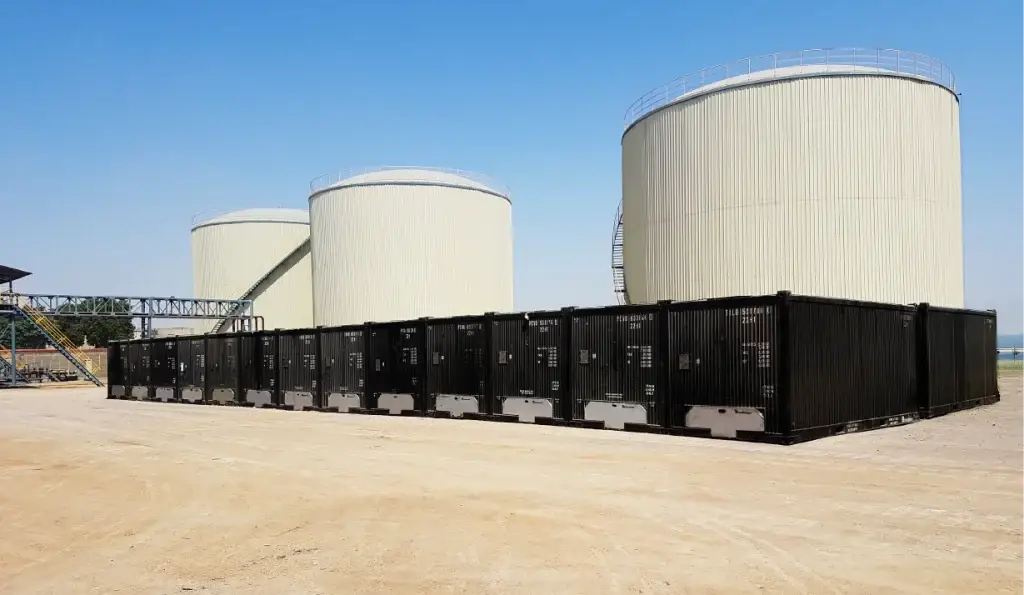
Containerised transport systems also make it possible to expand storage and distribution infrastructure quickly. Instead of relying exclusively on fixed storage terminals, operators can deploy modular storage capacity wherever it is needed.
Multiple Bitutainers™ can be connected to create temporary import hubs or regional distribution facilities. These modular systems allow suppliers to position storage closer to infrastructure projects, improving supply reliability and reducing reliance on centralised terminals.
This capability becomes particularly valuable during periods of market disruption. When traditional supply routes are constrained, the ability to create scalable storage and distribution networks provides an additional layer of resilience.
TEC has supported projects across multiple regions where modular transport and storage systems were used to strengthen supply chains and maintain consistent bitumen availability.
Learn more about TEC’s bitumen storage and transport solutions.
Logistics Flexibility Is Becoming a Strategic Advantage
Events such as disruption to the Strait of Hormuz highlight an important shift taking place across the bitumen industry. Logistics is no longer simply an operational consideration. Increasingly, it has become a strategic capability that influences supply security and project continuity.
Companies that maintain control over their transport and storage systems are often better positioned to navigate geopolitical uncertainty and shipping volatility. Flexible logistics infrastructure allows suppliers to adapt routes, adjust storage capacity, and maintain delivery schedules even when established trade corridors become constrained.
As global infrastructure demand continues to grow, this ability to respond quickly to changing market conditions is likely to become even more important.
Supporting Operators Reviewing Their Supply Strategy
Recent developments in the Middle East are prompting many suppliers and contractors to reassess their logistics approach and strengthen supply resilience.
TEC Container Solutions currently has Bitutainers available for immediate deployment, with the ability to expedite lead times for operators looking to expand their bitumen transport capability.
Whether supporting refinery export operations, regional import distribution, or on-site storage capacity, containerised logistics systems can provide the flexibility required to navigate uncertain supply conditions.
If current events are prompting a review of your bitumen supply strategy, explore TEC’s transport and storage solutions or request your bespoke quote to discuss your requirements.